 EN
EN

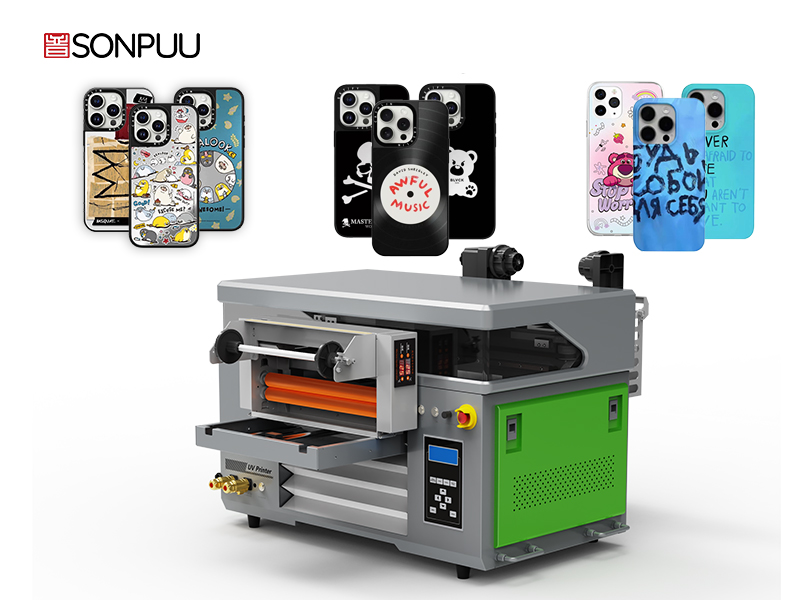
How UV Printing Delivers Waterproof and UV-Resistant Prints for Phone Cases
Instant UV Curing: Why It Enables Superior Water Resistance and Fade Protection
When we talk about UV printing for phone cases, what happens is the inks get hardened right away by ultraviolet light. This stops solvents from getting absorbed into the material of the case itself. What this does is create a really tight surface layer that basically keeps water out completely. That's something traditional printing methods just can't match because they often leave behind stuff that gets washed off later on. Testing has shown these UV printed surfaces hold up against intense sunlight exposure for over 500 hours while only fading around 5%. Compared to regular solvent based prints, they last about three times longer when exposed to light. The coating also stands up well to normal bending and flexing that phone cases go through day after day. This means the waterproof protection stays intact even after years of use. Plus, there's no waiting period before handling finished products since they're ready to go right away without smudges or wasted materials.
UV-Cured Ink Chemistry: Optimizing Flexibility, Adhesion, and Photostability on Curved Surfaces
The special mix of oligomers and reactive monomers in UV inks creates a good balance between flexibility at the molecular level and strong bonds with materials like TPU, silicone, and polycarbonate. When exposed to UV light, photoinitiators kickstart fast and thorough curing processes that really penetrate the substrate material, which means we avoid those pesky issues with shrinkage from VOCs. These formulations typically meet ASTM D3359 4B adhesion standards even on curved surfaces something manufacturers need when creating those wrap-around case designs for phones and other products. To protect against UV damage, additives have been developed that block around 95% of harmful UVA and UVB rays, so the printed polymers don't break down over time. The acrylate content is carefully adjusted during production to keep things from getting too brittle. Testing shows these prints can handle stretching up to 200% of the original substrate length without developing cracks, making them suitable for flexible applications where durability matters most.
Material-Specific Durability: Matching UV Printing to TPU, Silicone, and Polycarbonate Case Substrates
Adhesion & Stress Performance: Lab and Real-World Test Data (ASTM D3363/D4213, 500+ abrasion cycles)
The durability of UV printing really depends on how well the ink works with different materials. We've done extensive testing according to ASTM standards for scratch adhesion (D3363) and weather resistance (D4213), which tells us how these prints hold up over time. Take TPU for example it keeps around 95% of its ink adhesion even after hundreds of abrasion tests because of those special cross-linked properties. Silicone is another interesting case where we can get 4H pencil hardness if we use certain primers first. And then there's polycarbonate, which doesn't whiten when hit hard and still maintains more than 90% adhesion despite temperature changes from minus 20 degrees Celsius all the way up to 60. Labs have actually found that prints made with UV curing last about 60% longer against scratches compared to regular solvent based inks after being exposed to sunlight. That means whatever gets printed will stay looking good much longer without any cracks or color loss from everyday use.
Scalable, Brand-Ready Production: UV DTG/DTF Hybrid Workflows for the Phone Case Printer
The hybrid approach combining UV curing with both DTG and DTF techniques really opens up new possibilities for scaling production while keeping things consistent. When manufacturers bring these technologies together, they can handle everything from one-off custom jobs all the way up to batches of over 500 units without any drop in quality standards. According to industry reports from 2023, switching to UV printing cuts down on setup time somewhere between 40 to 60 percent compared to old school pad printing methods. That means businesses can react much faster when fashion trends change direction. The automated color calibration systems work wonders too, making sure colors stay true across different materials like TPU, polycarbonate and silicone. Even after hundreds of abrasion tests, the prints maintain their clarity and vibrant colors. For anyone running a phone case printing operation today, this kind of workflow handles those ever changing market needs pretty well. Plus it doesn't mess with important certifications for water resistance, and helps meet green initiatives since there's less wasted material and the curing process actually saves energy.
Enhancing Long-Term Protection: Nanocoatings and Hydrophobic Topcoats for ISO-Compliant Waterproofing
Post-Print Barriers: Balancing Water Resistance, Tactile Feel, and Antimicrobial Compliance (ISO 22196)
Nanocoatings and hydrophobic topcoats create an extremely thin protective layer, usually less than 100 nanometers thick, which keeps water away while preserving the original grip, texture, and appearance. These coatings need to satisfy ISO 22196 standards for antimicrobial properties, meaning they must reduce bacteria by 99% within 24 hours. The formula typically includes silver ions mixed with nano silica particles to achieve those high contact angles above 150 degrees for water beading effects. They also incorporate special polymers that maintain the surface feel exactly as intended. When applied too thickly, these coatings actually make surfaces less sensitive to touch. On the other hand, if there aren't enough layers, they won't pass the required ISO tests at all. Well balanced coatings can keep their waterproof qualities at around 95% effectiveness even after being tested for 18 months straight. This protection helps devices last longer too, adding about two to three extra years before needing replacement thanks to resistance against both UV damage and the growth of microbes over time.
FAQ
What are the benefits of UV printing for phone cases?
UV printing provides superior water resistance, UV protection, and durability compared to traditional printing methods. It stops solvents from being absorbed, creating a waterproof surface layer that remains intact for years.
How does UV curing improve print durability?
UV curing hardens the inks instantly, preventing solvents from compromising the print. This results in greater resistance to fading and damage from sunlight and regular usage.
What materials are compatible with UV printing?
UV printing works well with materials like TPU, silicone, and polycarbonate, ensuring strong adhesion and flexibility even on curved surfaces.
How do nanocoatings and hydrophobic topcoats enhance protection?
These coatings create a thin protective layer that repels water while maintaining the phone case's tactile feel and meeting ISO compliance for antimicrobial properties.
Table of Contents
- How UV Printing Delivers Waterproof and UV-Resistant Prints for Phone Cases
- Material-Specific Durability: Matching UV Printing to TPU, Silicone, and Polycarbonate Case Substrates
- Scalable, Brand-Ready Production: UV DTG/DTF Hybrid Workflows for the Phone Case Printer
- Enhancing Long-Term Protection: Nanocoatings and Hydrophobic Topcoats for ISO-Compliant Waterproofing
- FAQ