 EN
EN

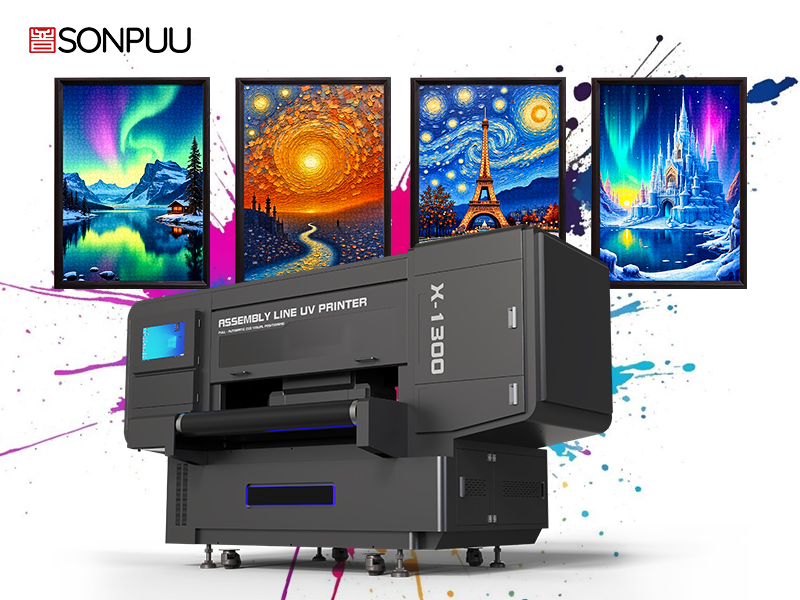
Enabling Rapid Prototyping with UV Flatbed Printers
How UV Flatbed Printers Accelerate Packaging Mockup Development
According to Ponemon's 2023 report, UV flatbed printers cut down on prototype development time by around 74%. These machines skip the whole plate and tooling setup, letting designers print vibrant color designs directly onto actual packaging materials within just two hours. Most creative teams manage to churn out between five to eight different versions each day, which beats the heck out of waiting days for results from outside screen printing shops or those slow CNC milling processes. And because of that quick UV curing thing, folks can actually touch and test the prototypes right away for structural checks or show them off to clients during meetings. This speed really helps push projects forward faster than anyone expected.
From Concept to Physical Model: Reducing Lead Times in Design Workflows
UV flatbed technology shortens the typical 3-week packaging design cycle to just four business days by enabling:
- Direct printing of structural prototypes with functional hinges and embossing
- Simulation of metallic finishes without foil stamping tools
- Seamless switching between materials such as 0.5mm PET and 5mm acrylic
A 2023 packaging industry survey found that 68% of designers using in-house UV flatbed systems reduced revision rounds by half. Real-time CMYK+White ink adjustments allow immediate corrections during client reviews, further streamlining approvals.
Case Study: Cosmetic Brand Cuts Time-to-Market with On-Demand UV Printing
A leading cosmetics brand cut prototype costs by $15,000 per month and accelerated product launches by 40% after adopting UV flatbed printing. Their streamlined workflow includes:
- Printing 200 luxury lipstick case prototypes overnight
- Conducting focus group testing by 10 AM the next day
- Implementing texture and color revisions by 3 PM
- Shipping approved designs to mold manufacturers the following day
This eliminated reliance on overseas prototype services, which previously caused three-week delays, while maintaining compliance with FDA material standards.
Material Versatility and Expanded Design Capabilities
Printing on Diverse Substrates: Plastic, Metal, Glass, and Cardboard
UV flatbed printers work with all sorts of rigid stuff - think 0.8mm aluminum sheets, 2mm tempered glass, textured cardboard, even some flexible plastics. The ability to print across these different surfaces means companies get much better prototypes that actually feel like what they'll produce in real life when it comes to how heavy something is, how tough it might be, and what it looks like visually. Many businesses find they can make high end metal cosmetic packaging alongside eco friendly paperboard containers without switching machines back and forth. This cuts down on the number of specialized tools needed around the shop floor while making the whole design process move along faster.
Creating 3D Texture and Relief Effects for Tactile Packaging Mockups
These printers work by laying down layers of UV curable ink that can reach thicknesses around 2mm, creating embossed logos, textured surfaces, and even Braille right onto packaging prototypes. The market data is pretty clear actually tactile packaging grabs attention much better than regular flat designs, maybe around 40% more engagement according to what we've seen across different sectors. For designers working on new products, this means they get to experiment with those raised details way earlier in the design phase. They can match the feel of the package to how the brand wants to be perceived without having to spend thousands on special embossing tools or go through extra manufacturing steps later on.
Overcoming Challenges on Non-Planar and Complex Surfaces
The newer generation of UV flatbed printers comes equipped with adjustable print heads that keep the right gap even when dealing with all sorts of odd shapes and curves. What does this mean? It allows for much better quality prints on things we see every day but never really think about - those round cosmetic jars sitting on bathroom counters or the sharp corners of electronic product boxes. These machines also have automatic systems to detect what kind of material they're working with, so the ink sticks properly whether it's something indented like a phone case insert or bulging out like a new perfume bottle design. This solves many of the old problems that used to plague anyone trying to print on anything that wasn't completely flat.
Achieving High Print Quality and Brand-Accurate Color
UV flatbed printers deliver exceptional print quality essential for packaging mockups, where precise color representation influences consumer perception and purchasing decisions. Their ability to reproduce exact CMYK and Pantone® colors ensures prototypes align with brand guidelines within a ±2% tolerance—particularly vital for luxury and retail brands.
Color Consistency with UV-Curable Inks Across Multiple Runs
Spectral measurement tools built into modern printing systems can automatically adjust ink ratios between different print batches, keeping colors consistent at around 98.5% accuracy through about 50 print cycles. A recent study from 2023 looked at how packaging materials held up over time, and found that the color difference (measured in those Delta E numbers) stayed below 1.0 even after three months of repeated testing. What does this mean for actual operations? Well, printers don't have to stop production as often for manual checks anymore, which cuts down on downtime when making revisions to print jobs.
High-Resolution Output and Customizable Surface Finishes
With native resolutions reaching 1,440 dpi, UV flatbed systems render fine details such as 6pt typography and intricate logos with precision. Designers utilize this capability to:
- Combine gloss and matte varnishes for realistic retail finish simulation
- Apply raised ink effects up to 0.8mm thick for tactile label elements
- Embed micro-text patterns visible only under magnification for anti-counterfeit prototyping
Manufacturers report these features reduce physical sample approvals by 72% compared to conventional lithographic proofing.
Cost Efficiency and Sustainable Small-Batch Production
Eliminating Tooling Costs for Low-Volume Packaging Prototypes
The old school approach to things like injection molding can really eat into budgets, typically costing anywhere from fifteen thousand to fifty grand just for each new design version. But with UV flatbed printers, companies are able to skip all those expensive tools altogether since they print straight onto materials like thick cardboard or even recycled plastic surfaces. A recent look at manufacturing trends from last year showed something interesting too. When companies started using these digital UV printers for smaller runs below 500 pieces, their costs for prototypes dropped almost four fifths. What does this mean? Well, it basically opens up the door for both small startups and big corporations to test out their packaging designs without breaking the bank.
On-Demand Printing: Reducing Waste and Supporting Just-in-Time Workflows
The UV flatbed printing systems create under 1% waste material, which beats traditional die cutting methods hands down since those typically leave behind around 15 to 20% scrap. Businesses love being able to produce precisely what they need for small test markets or local launches without overstocking. According to some recent surveys published by Packaging Digest last year, nearly half (about 47%) of companies saw their inventory expenses drop between 30% and 50% when switching to this on demand approach for prototypes. Plus, designers can tweak layouts while still in production, so products stay fresh and relevant instead of sitting unused on shelves waiting for market changes. This kind of flexibility really helps manufacturers keep up with fast moving trends without wasting resources.
Balancing Initial Investment with Long-Term ROI in UV Flatbed Technology
Getting an industrial UV flatbed printer means spending between $85k and $250k upfront, but it saves money long term since there are no ongoing tooling charges and less need for manual labor. A beauty company actually got their money back in just 18 months after swapping out three outside manufacturers for their own UV printing setup, handling around 200 to 300 sample prints each month themselves. The real savings kick in after about 1,000 units printed, where costs drop roughly 94% when compared to sending work out to others. That kind of reduction makes a huge difference over time.
UV-Curable Inks: Durability and Environmental Advantages
Superior Scratch and Chemical Resistance for Realistic Mockups
When UV curable inks dry, they create this tough cross linked polymer layer that stands up to scratches much better than regular solvent based inks do according to Packaging Durability Lab research from last year. The durability means people can actually touch and move around product samples during client meetings without worrying about them getting damaged from normal handling. These inks stand up pretty well against stuff we encounter daily too like fingerprints, spilled coffee, and even the harsh cleaners used in stores. Companies that switched to UV cured samples found themselves needing to make fewer changes after showing off their designs. One major brand saw about a 40 percent drop in the number of times they had to go back and tweak things following presentations because the samples looked and acted so much closer to what customers would actually see on store shelves.
Eco-Friendly Benefits: VOC-Free Inks and Reduced Carbon Footprint
UV curable inks don't contain those pesky volatile organic compounds (VOCs) that cause all sorts of air quality issues when printing happens. That's why so many packaging folks care about this stuff these days - around two thirds actually prioritize cutting down on emissions according to the Packaging Sustainability Institute report from last year. When it comes to energy usage, the instant curing method uses roughly 35 percent less power compared to traditional thermal drying setups as noted by GreenPrint Alliance back in 2024. This means each prototype leaves behind a smaller carbon footprint overall. Companies also save serious cash because they no longer need to deal with expensive solvent recovery processes or handle dangerous waste materials for disposal. Mid sized operations typically pocket somewhere between fourteen and twenty six thousand dollars every year just from avoiding those costs. And let's not forget about regulation changes coming our way soon. Both EU countries and places across North America are moving toward banning ink formulations heavy in VOCs by the end of next year, making UV flatbed technology not only legally safe but smart investment for anyone looking ahead.
FAQ
What is a UV flatbed printer?
A UV flatbed printer is a type of printer that uses ultraviolet light to cure ink, allowing for direct printing on various surfaces such as plastics, metals, glass, and cardboard.
How do UV flatbed printers accelerate prototyping?
UV flatbed printers accelerate prototyping by eliminating the need for plate and tooling setup, enabling direct printing on actual packaging materials, and allowing rapid revisions and approvals.
Can UV flatbed printers print on non-planar surfaces?
Yes, modern UV flatbed printers can adjust for non-planar and complex surfaces, enabling high-quality prints on items with shapes and curves.
Are UV curable inks environmentally friendly?
UV curable inks are environmentally friendly as they are free from volatile organic compounds (VOCs) and contribute to a reduced carbon footprint due to their efficient instant curing process.