 EN
EN

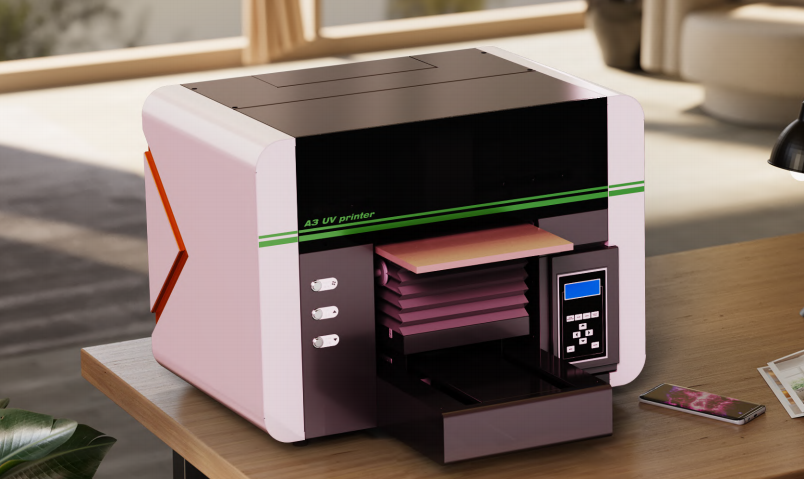
How UV Printing Technology Works and Why It's Superior
What is UV printing and how does it work?
In UV printing, special inks get cured right away using ultraviolet light as part of the actual printing process. Traditional printing techniques don't work this way at all. With UV printers, ink is applied via those fancy piezoelectric printheads that can target areas down to tiny details, followed by exposure under intense UV lamps. What happens next is pretty cool – the ink undergoes some kind of chemical change (they call it a photochemical reaction) and turns into a tough polymer coating almost instantly. This whole print then cure sequence means manufacturers can crank out products three times quicker compared to waiting for regular solvent-based inks to dry naturally in the air.
The science behind UV curing and instant ink adhesion
Ink that reacts to UV light typically includes substances such as benzophenone derivatives, which get activated when exposed to UV-A wavelengths ranging from about 315 to 400 nanometers. Once triggered, these compounds start a fast reaction process connecting the ink particles to whatever surface they're applied on. What happens next is pretty remarkable: within just over half a second, the ink forms a strong connection with glass surfaces reaching nearly full adhesion at around 98%. Compare this to traditional solvent based printing methods where bonds take much longer to develop, often settling at about 72% strength even after waiting all day. Because the ink cures so quickly without spreading out, it maintains incredibly sharp details right down to 1200 dots per inch resolution. Plus there's another advantage worth mentioning here - these UV processes generate roughly two thirds less heat compared to standard thermal printing techniques.
UV printing vs. traditional inkjet and solvent methods
| Factor | UV Printing | Traditional Methods |
|---|---|---|
| Drying Time | Instant (<1 sec) | 2–24 hours |
| Material Compatibility | Glass, metal, plastics | Primarily porous surfaces |
| VOC Emissions | 0.3 g/m² | 4.1 g/m² (EPA 2022) |
| Scratch Resistance | 5H pencil hardness | 2B pencil hardness |
UV printing reduces production time by up to 70% and supports non-porous substrates that traditional methods cannot reliably print on. The cured ink resists fading for 8–10 years outdoors, compared to 1–3 years for solvent prints, as confirmed by ASTM G154 testing.
Exceptional Print Quality, Durability, and Longevity in Custom Gifts
Vibrant Colors and High-Resolution Detail With UV Printer Precision
Modern UV printers can hit around 90% color gamut coverage which means they reproduce photos pretty well even on tough materials such as glassware or stainless steel surfaces. With resolutions reaching 1440 dpi these machines can capture details smaller than 20 microns making them great for printing detailed art pieces or complex brand logos onto high end promotional items. What makes this technology stand out is how it gets rid of that annoying halo effect we often see with traditional solvent based printing methods. When using those older techniques the ink tends to spread about 3 to 5 percent once applied creating blurry edges around images something that just doesn't happen with UV printing anymore.
Resistance to Fading, Scratching, and Moisture Damage
A recent 2023 accelerated aging test from Smithers showed something interesting about print durability. Their findings indicated that UV cured prints kept around 83% of their original color strength after simulating five years indoors, while regular solvent based prints only managed about 54%. What makes this possible? Well, when UV printing happens instantly, it creates this special chemical bond on the surface. This bonding actually gives the printed surfaces about six times better protection against scratches according to ASTM D3363 standards. And practical tests show these benefits translate into real world results too. Drinkware printed using UV technology can survive over 500 dishwasher runs without showing any signs of wear or fading.
Long-Term Durability of UV-Printed Glass, Metal, and Drinkware
Three key factors contribute to extended product life:
- Polymerized ink layers (15–25 microns thick) resist delamination
- UV-blocking additives filter 99% of UVA/UVB rays (315–400 nm)
- Cross-linked molecular structure prevents moisture penetration
A 2024 durability analysis found UV-printed metal surfaces maintained 97% adhesion strength after thermal cycling from -20°C to 80°C, significantly outperforming pad-printed alternatives at 72%.
Case Study: UV vs. Solvent Prints on Premium Gift Surfaces
Testing conducted by Graphic Arts Magazine revealed that UV-printed crystal awards demonstrated 60% higher abrasion resistance than solvent-printed equivalents after one year of handling. They also showed superior chemical resilience, enduring over 50 wipes with isopropyl alcohol–far exceeding the 12–15 wipe failure point of solvent prints.
Material Versatility: Expanding Possibilities for Custom Gift Design
UV printers make it possible to print directly onto materials that used to be real headaches for manufacturers, including things like glass, metal, plastic, and acrylic surfaces. The magic happens because these special UV inks stick through a chemical reaction when exposed to light instead of soaking into the material. A study published last year by Polymer Science Reports found that this method gives around 98% adhesion on surfaces that don't absorb anything. What does this mean practically? Companies can now put vibrant color designs on all sorts of items without needing any special preparation first. Think about those fancy champagne glasses with custom logos, personalized aluminum souvenirs from events, or even picture frames made of clear acrylic that look amazing with printed images right on them.
Surfaces Compatible with UV DTF Transfers for Curved and Complex Shapes
The UV Direct-to-Film or DTF transfers technique actually solves a big problem when it comes to printing on those tricky curved surfaces or things with texture. What happens is pretty straightforward really. First folks print their designs onto special transfer films, and after that they stick these onto all sorts of stuff like tumblers, wooden gift boxes, and other oddly shaped objects. The whole process works best with some gentle heating around 120 to maybe 140 degrees Fahrenheit. According to what we saw from an industry report last year, businesses switching to this approach cut down their production times quite dramatically. One study mentioned somewhere around two thirds less time spent making customized items with contours versus traditional vinyl wrapping methods.
Innovative Substrates Unlocking New Custom Gift Product Lines
Recent advancements include:
- Carbon fiber panels for luxury tech accessories
- 3D-printed resin bases for sculptural décor
- Recycled ocean plastics for eco-conscious awards
UV printing's 0.3-micron layer control preserves fine details on these modern substrates while ensuring durability under daily use.
Why UV Printing Excels on Non-Porous Materials
The instant curing process avoids ink absorption issues typical of traditional methods. When activated by a UV LED lamp (395–410 nm), photoinitiators trigger the formation of a cross-linked polymer network in under 0.8 seconds. Accelerated aging tests confirm these prints retain 95% of their original vibrancy after five years of regular use.
Creative and Profitable Custom Gift Applications
Personalized Wine Glasses, Beer Mugs, and Wedding Keepsakes
UV printing enables high-end customization for special occasions. Couples order champagne flutes engraved with wedding dates, while breweries commission branded pint glasses capable of surviving 500+ dishwasher cycles, per Durability Lab (2023) testing. Anniversary gifts like crystal photo frames with metallic accents command a 40% price premium over traditionally engraved options.
Custom Phone Cases, Tech Accessories, and Home Décor
Tech consumers favor UV-printed phone cases, wireless charger pads, and smartwatch bands for their scratch-resistant, vibrant designs. Interior designers increasingly pair UV-printed acrylic wall art with matching coasters, offering coordinated décor sets priced between $120 and $250.
Seasonal and Holiday Gifting Trends (2020–2024) Using UV Printing
Sales of Halloween-themed UV-printed drinkware rose 217% year-over-year in 2023, while Mother's Day orders for personalized jewelry boxes surged 184% compared to 2021. These trends align with Google Trends data showing a 290% increase in searches for “durable custom gifts” since 2020.
Scalable Production for Events and Time-Sensitive Orders
With output rates of 300–500 items per hour, UV printers efficiently handle bulk orders like wedding favors or corporate event souvenirs. One Florida resort boosted profits by 33% by using UV printing to produce same-day customized welcome kits for over 1,200 annual events.
Lower material waste and faster processing enable gross margins of up to 60% (Industry Analysis 2024)–22 percentage points higher than sublimation techniques.
Frequently Asked Questions
What is UV printing beneficial for?
UV printing offers benefits such as instant drying, compatibility with non-porous substrates, enhanced durability, and reduced VOC emissions.
How does UV printing enhance ink adhesion?
UV printing enhances ink adhesion through a rapid photochemical reaction that bonds ink particles to surfaces within moments of exposure.
Are UV prints more durable than traditional prints?
Yes, UV prints resist fading, scratches, and moisture damage better than traditional solvent-based prints, ensuring long-term durability.
Can UV printers handle bulk orders?
Yes, UV printers can efficiently produce 300–500 items per hour, making them ideal for large-scale and time-sensitive orders.
Why choose UV printing for custom gift products?
UV printing offers superior print quality, durability, and versatility on a variety of materials, making it ideal for creating high-value custom gifts.