 EN
EN

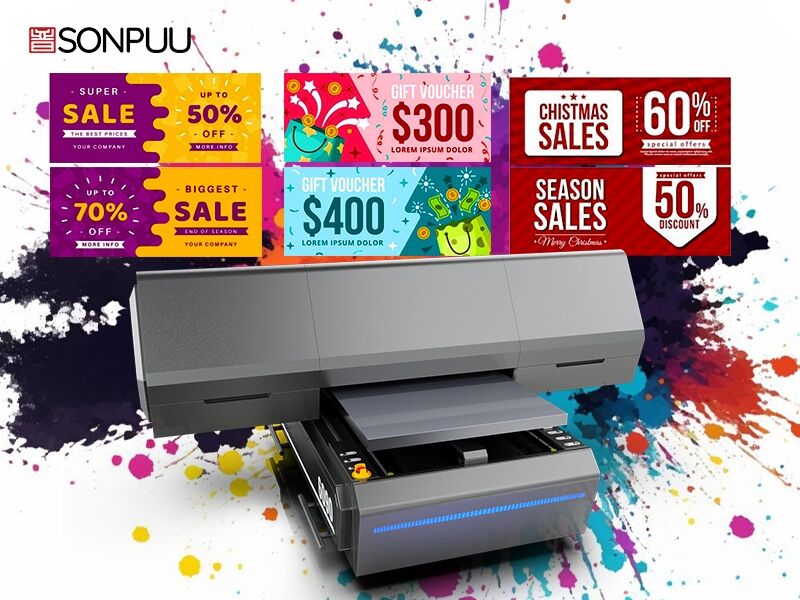
How UV Flatbed Printing Technology Works
The mechanics of UV flatbed printers: Printheads, motion systems, and vacuum beds
Three main parts work together to make UV flatbed printers deliver accurate prints. The printheads use piezoelectric technology to put down tiny drops of UV ink measuring about 7 picoliters each. These small droplets help create detailed images that look sharp even when printed on complex surfaces. The printer moves around thanks to servo motors that can place the printhead within 5 microns of where it needs to be. This kind of precision keeps everything aligned properly across big sheets of material. Special vacuum beds grip onto stuff that's up to four inches thick, so nothing shifts while the printer is running fast. All these parts working together mean businesses can print directly onto all sorts of odd shapes like rough wood textures or bent metal pieces without losing any quality in the final product.
Instant ink curing with UV lamps: Science behind adhesion and durability
When UV-A lamps with wavelengths between 320 and 395 nanometers hit the ink, they kick off this process called photopolymerization almost instantly after the ink hits the surface. Within just 0.8 seconds, those liquid components start turning into solid polymers connected by chemical bonds. What makes this so useful? Well, because it happens so fast, the ink doesn't have time to spread out on surfaces that don't absorb liquids easily. That means printed details stay crisp and clear. Prints made this way are actually three times more resistant to scratches compared to traditional solvent based inks according to ASTM D3363 tests. Plus, workers can pick them up right away after printing without worrying about damaging them. This lets manufacturers stack finished products neatly or package them immediately without any risk of smudges ruining the print quality.
Why UV-curable inks bond effectively to non-porous substrates
UV inks typically have around 42 to 48 percent oligomers by weight. These are viscous prepolymers that form chemical bonds with hydroxyl groups (-OH) found naturally on surfaces like glass, metal, and plastic materials. The relatively low viscosity range of 12 to 18 centipoise allows these inks to seep into tiny surface irregularities. At the same time, their high surface energy between 36 and 42 millinewtons per meter helps them spread evenly across surfaces without needing special primers for most industrial applications. Recent research from 2023 showed that when cured with UV light, these inks create a bond strength of approximately 4.5 Newtons per square millimeter on anodized aluminum surfaces. That's quite impressive compared to regular latex inks which only manage about 1.2 N/mm² under similar conditions.
UV Flatbed Printing on Glass: Clarity, Strength, and Design Flexibility
UV flatbed printers deliver unmatched precision for glass printing, combining optical clarity with structural integrity. Their ability to print directly onto non-porous surfaces makes them ideal for both functional and decorative applications.
Surface Preparation and Adhesion Promoters for Flawless Glass Printing
Getting good lasting results when printing on glass starts with making sure the surface is really clean and then applying something like a silicone based coating to help things stick better. What these treatments do is actually roughen up the glass at a microscopic level, which helps UV ink grab onto it instead of just sitting there and eventually peeling off. The whole process makes a big difference for printed images too. Edges stay sharp and colors look much brighter, especially important when working with tricky surfaces like curved glassware or those that have been frosted over.
Applications in Architecture: Custom Glass Partitions, Facades, and Decorative Panels
More architects these days are turning to UV printed glass because it lets them combine good looks with solid performance. For interior walls, designers often incorporate printed patterns that showcase company logos or artistic flair while still letting daylight through the space. On building exteriors, we see UV cured graphics standing up against sun exposure and temperature changes without ever developing that annoying yellow tint. The back painted panels used in lobbies and stores can actually capture amazing photo quality details thanks to their high resolution printing capabilities, sometimes reaching around 1200 dpi. What makes this really appealing is how flexible the designs can be while maintaining lasting durability that holds up year after year.
Durability of UV Prints on Glass: Resistance to Scratching, Fading, and Environmental Exposure
When materials undergo UV curing, they develop this special cross-linked polymer structure that really stands up to wear and tear. These prints can handle regular cleaning routines without showing signs of breakdown or damage over time. Lab testing has demonstrated something pretty impressive too: most industrial quality prints keep about 95 percent of their original color vibrancy even after sitting out in direct sunlight for well over five years straight. What makes UV curing so different from traditional ceramic inks? Well, these cured prints stick around on surfaces no matter what kind of weather comes along. They hold fast through freezing temperatures down at minus 20 degrees Celsius all the way up to scorching heat at 80 degrees Celsius. That kind of durability means businesses can install signage both inside buildings and outside where it might get rained on or exposed to harsh sun without worrying about premature failure.
UV Printing on Wood: Merging Natural Aesthetics with Digital Precision
Challenges of Printing on Porous and Textured Wood Surfaces
The natural pores and varying grain patterns in wood make it tricky to get consistent ink coverage when printing. When some areas soak up more ink than others, colors tend to shift around, and rough surfaces create tiny spaces where details just don't come out sharp enough. A recent article from the International Wood Products Journal back in 2023 found that about two thirds of all printing problems on wood come down to poor surface prep work. Most serious producers tackle these issues by sanding their materials between 220 and 400 grit first, then using special vacuum beds to keep everything stable during the actual printing process. These machines hold the wood so tightly that any movement stays below 0.1 millimeters, which makes a huge difference in final quality.
Optimizing Ink Laydown and Curing for Grain-Rich Substrates
Wood can be pretty unpredictable when it comes to printing, so modern UV printers have started using thicker ink formulas that don't get soaked up too quickly in those porous spots. The printers also employ what they call variable droplet tech, which basically means they can adjust how much ink gets deposited depending on how dense the wood grain is. This helps maintain better detail quality overall. For curing, most machines now go through multiple passes using UV lamps in the 365 to 395 nm range. This approach makes sure everything sets properly without generating too much heat, something that matters a lot for woods like oak that react badly to moisture changes. According to some tests done by RadTech back in 2022, this multi-pass method actually boosts adhesion strength by about 40 percent over older single pass techniques. Makes sense why manufacturers are switching over.
Applications in Bespoke Furniture, Wall Paneling, and Interior Décor
The architectural and interior design sectors drive 72% of demand for UV-printed wood (MarketsandMarkets, 2024), utilizing the technology for:
- Custom furniture: Full-edge printing on curved cabinet doors with ≤0.3 mm distortion
- Acoustic panels: Ink formulations engineered to achieve NRC 0.7 sound absorption ratings while preserving visual appeal
- Retail displays: 3D textured effects that replicate hand-carved details at one-fifth the production cost
This versatility supports a projected 17.8% CAGR in UV-printed wood applications through 2028, particularly in luxury hospitality and sustainable office environments seeking FSC-certified, customizable surfaces.
UV Flatbed Printing on Metal: Durable Graphics for Industrial and Commercial Use
Surface Treatment Techniques for Enhanced Ink Adhesion on Metal
Getting good results from UV printing on metal surfaces means changing how the metal looks at a microscopic level since metals are naturally smooth and don't absorb ink well. There are several ways this can be done including sanding the surface, applying chemicals to roughen it up, or using special primers that help the ink stick better. According to research published last year in Materials Science Journal, these methods actually boost ink adhesion by around 40 percent when compared to plain old unmodified metal. What happens is that the treated surface allows those UV inks to bond chemically with the metal itself rather than just sitting on top. The end result? Graphics that won't chip off easily even when exposed to harsh conditions over time.
Performance Under Extreme Conditions: Heat, Humidity, and Abrasion Resistance
Metal printed with UV ink stands up remarkably well in tough industrial settings. According to tests done by ASTM International last year, colors stay vibrant at around 95% even after sitting through 2,000 hours of heat and humidity (85 degrees Celsius and 85% RH). Once cured, the ink reaches about 7H on the pencil hardness scale, which makes it pretty tough against everyday wear and tear. That kind of durability works great for labeling machinery parts or control panels that get touched all day long. Why does it perform so well? The secret lies in how the polymers bond together tightly, creating a barrier against water getting in and stopping the material from breaking down when temperatures rise.
Direct-to-Substrate vs. Coated Metal Printing: Pros, Cons, and Best Practices
| Factor | Direct-to-Metal | Coated Metal |
|---|---|---|
| Preparation Cost | Higher (sanding/etching) | Lower (pre-coated) |
| Environmental Resistance | 15+ years outdoors | 8-12 years outdoors |
| Production Speed | Slower (pre-treatment) | Faster (no pre-treatment) |
| Ideal Application | Chemical tanks, heavy machinery | Retail signage, interior décor |
Direct printing is recommended for assets exposed to fuels, solvents, or industrial cleaners where coating delamination is a concern. Coated metals offer efficiency advantages for short-run, indoor applications.
Cross-Substrate Advantages of UV Flatbed Printers in B2B Applications
Single-Platform Versatility: Printing on Glass, Wood, and Metal Without Changeover
The versatility of UV flatbed printers lies in their ability to handle multiple surfaces including glass, wood, metal, and various other rigid substrates all within one machine setup. These printers come equipped with adjustable vacuum beds along with highly accurate motion control systems that keep everything aligned properly regardless of surface thickness or texture differences. This means there's no longer a constant back and forth adjusting when switching materials manually. For instance, production teams working on projects might start with tempered glass meant for building facades and then quickly move over to brushed aluminum used for creating signs without missing a beat. The benefits extend beyond just convenience too. Recent industry reports from the Digital Print Innovation Council show that nearly four out of five businesses using these advanced printing solutions have noticed around a third less wasted materials thanks to smoother transitions between different substrate types during production runs.
Efficiency in Short-Run Production and Custom Prototyping
UV flatbed printing works really well for those short runs and one off productions. The instant curing feature makes it possible to try out different designs quickly. A team might play around with gradient effects on walnut veneer first thing in the morning, then have a small batch of stainless steel displays ready by lunchtime. Shops that switched to these hybrid UV setups are seeing about 40 percent quicker turnarounds for special orders when compared against old school screen printing methods according to some recent industry data from 2024. This kind of flexibility is exactly what many businesses need right now, especially in places like the hotel industry where they want custom made acrylic signs but only need maybe 30 or so at a time instead of hundreds.
Growing Demand for Personalized Interior Spaces Using UV-Printed Rigid Materials
More architects and interior designers these days are turning to UV printed materials when they want to create spaces that look great and serve a purpose at the same time. Take a look around corporate offices - we're seeing all sorts of glass partitions featuring those cool frosted geometric designs. Retail stores aren't far behind either, with their shelves now matching real wood grain textures and even having QR codes built right in for product info. What's interesting is how this tech has found its way into healthcare settings too. Some hospitals use wall panels printed with special antimicrobial coatings that actually pass those tough ISO tests from 2011. With businesses wanting more personalized spaces that perform well, UV flatbed printing keeps growing in popularity. It's not just about pretty pictures anymore; the industry is really starting to think about how these prints can work together with the environment as part of the overall design.
Frequently Asked Questions (FAQ)
What is UV flatbed printing technology?
UV flatbed printing technology utilizes a combination of UV inks and UV lamps to produce durable, high-quality images directly onto various surfaces without needing pre-treatment or special primers.
How does UV curing improve print quality?
UV curing instantly solidifies ink droplets, preventing them from spreading on non-absorbent surfaces and maintaining high image resolution, enhancing scratch-resistance and preventing smudges.
Can UV printing be used on different materials?
Yes, UV flatbed printers can be used to print on various rigid materials, including glass, wood, metal, and plastic, without the need for material-specific adjustments.
Why are UV prints considered durable?
UV prints develop cross-linked polymer structures that ensure resistance to environmental factors like temperature fluctuations, sunlight, and physical wear, making them resilient over time.
How does UV printing help in industrial applications?
UV printing provides high durability, chemical resistance, and detailed graphics for industrial settings, benefiting signage, machinery labeling, and decorative installations.
Table of Contents
- How UV Flatbed Printing Technology Works
- UV Flatbed Printing on Glass: Clarity, Strength, and Design Flexibility
- UV Printing on Wood: Merging Natural Aesthetics with Digital Precision
- UV Flatbed Printing on Metal: Durable Graphics for Industrial and Commercial Use
- Cross-Substrate Advantages of UV Flatbed Printers in B2B Applications
- Frequently Asked Questions (FAQ)