 EN
EN

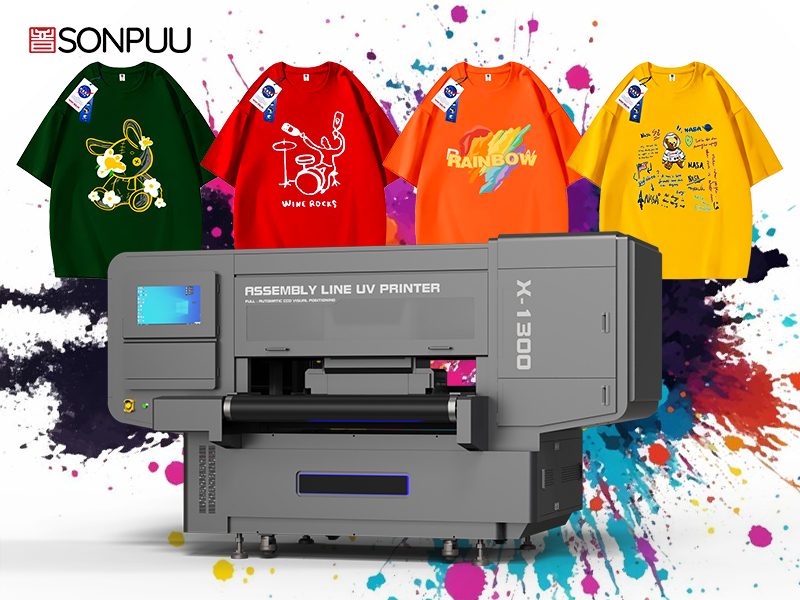
The Rise of Small-Batch Printing: How T-Shirt Printer Technology Enables On-Demand Production
Growing Demand for No Minimum Orders in the Apparel Industry
The clothing business is moving fast toward no minimum order policies these days. People want what they want when they want it, and stores don't want to be stuck with extra stock either. Recent numbers from Pew Research back this up showing around two thirds of shoppers actually look for companies that let them get custom stuff without having to buy in bulk. For newer brands just getting off the ground, this trend matters even more. According to last year's National Retail Federation startup report, nearly four out of five fresh apparel ventures are going with print on demand t shirt services so they don't end up with warehouses full of stuff nobody wants.
How Direct-to-Garment (DTG) Printing Supports Low-Volume, High-Variety Output
DTG printing changed everything for small batch production because it got rid of those expensive screen setups and let people order just one item if they wanted. Traditional printing methods used to cost over $500 just to set up according to IBISWorld in 2023. But DTG works differently. These printers actually spray full color designs right onto clothes using standard inkjet technology similar to what we see in office printers. The resolution can get as high as 1,440 dpi which makes the prints look really sharp. What this means for businesses is huge flexibility. They can create way more different designs in each production run compared to old methods. And when looking at actual numbers from the Fashion Institute of Technology in 2024, companies saw their costs drop dramatically. For example, making 24 units only costs around $3.20 per piece now instead of what it used to be.
Market Shift: From Mass Production to Customization for Startups and SMEs
Back in the day, manufacturers needed at least 5,000 units before they'd even consider screen printing worth their time. But things have changed quite a bit lately. According to recent data, nearly half (around 43%) of small businesses now print t-shirts in batches smaller than 50 pieces. They're taking advantage of online stores such as Shopify and Etsy to experiment with different market segments. Speaking of which, the whole microbrand scene exploded last year with growth hitting an impressive 300% compared to 2022 according to the Shopify Economic Report from 2024. What makes this possible? Digital textile garment printing technology allows companies to get products out within just one or two days while still maintaining good quality standards.
Case Study: Launching a Microbrand with On-Demand T-Shirt Printer Services
An eco-conscious startup reduced its carbon footprint by 40% using a hybrid DTG model:
- Design Phase: Launched 12 limited-edition designs using water-based inks
- Production: Printed 15–20 units per design via a local DTG partner
- Sales: Achieved a 92% sell-through rate by aligning product drops with social media trends
This approach generated $28,000 in first-year revenue with just $2,100 in upfront costs (Green Business Bureau 2023), demonstrating a scalable path for small-batch customization.
Cost Efficiency of T-Shirt Printers for Small-Batch Custom Apparel
Low-Volume Cost Analysis: DTG vs. DTF vs. Screen Printing
For small batch printing, modern t shirt printers offer real savings because they don't require big initial investments. Screen printing works well when ordering lots of shirts, like 100 or more, but comes with steep setup charges. The screens alone can cost anywhere from $30 to $65 plus extra for color separations, and these costs really eat into profits when producing fewer than 50 units. Digital textile garment printing, on the other hand, cuts out those screen expenses altogether. Industry numbers from last year show this method can save businesses between 40 and 60 percent on print jobs involving less than 24 shirts. That makes a huge difference for companies looking to test new designs without breaking the bank.
Direct-to-film (DTF) offers a mid-range alternative, combining the vibrancy of screen printing with lower minimums. However, transfer film adds $0.50–$1.50 per unit compared to DTG, slightly increasing material costs.
When DTG Becomes Economical: Breaking Down Per-Unit Costs
When it comes to making small batches or prototypes (think 1 to 50 pieces), DTG printing really shines because it skips those pesky screen printing setup fees altogether. Look at what happens when we hit about 12 shirts: the cost per white garment drops all the way down to $16.50, which is roughly 35% less expensive compared to going the screen printing route. Around the 50 unit mark is where things start to change though. Screen printing becomes more economical since the ink itself only costs about 80 cents per shirt once those initial setup costs are covered. Brands that want to test out new designs or handle orders as they come in usually find that DTG keeps their profit margins looking pretty good, somewhere between 20% and 30% better than old school methods when production stays below 24 units.
Building Brand Identity with Custom T-Shirt Printing for Startups
Creating Limited Runs to Test Markets and Strengthen Brand Storytelling
Many startups turn to t-shirt printing services for small batch production, typically between 50 to 200 units. This approach lets them test ideas without breaking the bank and keeps their branding looking consistent across different products. According to recent industry research from 2024, companies that try out 3 to 5 design variations in these smaller quantities end up with about 62% less leftover stock than those who go for big bulk orders right away. What's interesting is how this affects consumer memory too. Studies show around 78% of people in specialized markets remember brands better when they see consistent colors and repeated design elements on clothing items. So it makes sense why so many new businesses are adopting this smarter, more flexible approach to product development.
Case Study: Sustainable Brand Launch Using Eco-Friendly DTG Printing
A vegan skincare startup used water-based DTG printing to align product ethics with merch production. By printing 120 organic cotton tees with plant-derived inks, they achieved:
| Metric | Result | Industry Benchmark |
|---|---|---|
| Customer sentiment | 89% positive (IG survey) | 67% |
| Social media shares | 4.2x higher than polyester blends | 1.8x |
The campaign drove 23% of crowdfunding backers to purchase add-on apparel, proving sustainability-focused printing resonates with conscious consumers.
Technological Advantages of Modern T-Shirt Printers in Fast-Turnaround Workflows
High Design Fidelity and Full-Color Detail with DTG Technology
DTG t-shirt printers today can produce images that look almost like photos, reaching resolutions as high as 1,440 dpi, all without needing those complicated screen setups. For small business owners starting out, this means they can get really detailed prints with smooth gradients right onto cotton shirts. Traditional screen printing is totally different since it needs a separate screen for every single color used. But with DTG technology, water based inks go straight onto fabric via these super accurate print heads. According to industry reports from 2023, setup times have dropped around 90% compared to old methods. The colors come out incredibly close to what was originally designed too, matching digital artwork at about 98% accuracy. That level of precision matters a lot when creating special edition runs where getting Pantone colors spot on is absolutely critical for brand consistency across products.
Meeting Trend-Driven Demand Through Rapid On-Demand Printing
Digital textile garment printers are making waves in the industry these days, finishing most orders within 24 hours flat. That's about 53 percent quicker than traditional screen printing methods, as reported by Apparel Production Quarterly last quarter. The speed factor really matters in today's fast moving fashion world driven by TikTok trends. About two thirds of Gen Z shoppers want fresh designs hitting stores every week if not more often. When companies ditch those pesky minimum order rules, they cut down on excess inventory problems and get to experiment with all sorts of trending stuff. Think memes turned into shirt art or designs based on popular hashtags for the season. An environmentally friendly clothing company actually boosted profits by around 40% when they switched to this approach. They could jump on tiny market trends before they faded away without having tons of unsold products sitting around.
Frequently Asked Questions (FAQ)
What is Direct-to-Garment (DTG) printing?
DTG printing is a method where a printer directly applies the ink onto a t-shirt with inkjet technology, similar to a home printer. It allows for full color designs to be printed on the fabric without the need for screens.
How does DTG printing compare to screen printing in terms of cost?
DTG printing is more cost-effective for small batch orders as it eliminates the need for costly screen setups required in screen printing. This makes it ideal for orders less than 50 shirts.
Why are startups and small businesses opting for small-batch printing?
Small-batch printing allows startups to test the market with minimal financial risk, reduce excess inventory, and maintain brand consistency while experimenting with different designs.
What are the advantages of using DTG printing for custom apparel?
Advantages include high-resolution image quality, faster turnaround times, flexibility in order size (even a single piece), and more eco-friendly options with water-based inks.
Table of Contents
- The Rise of Small-Batch Printing: How T-Shirt Printer Technology Enables On-Demand Production
- Cost Efficiency of T-Shirt Printers for Small-Batch Custom Apparel
- Building Brand Identity with Custom T-Shirt Printing for Startups
- Technological Advantages of Modern T-Shirt Printers in Fast-Turnaround Workflows
- Frequently Asked Questions (FAQ)