 EN
EN

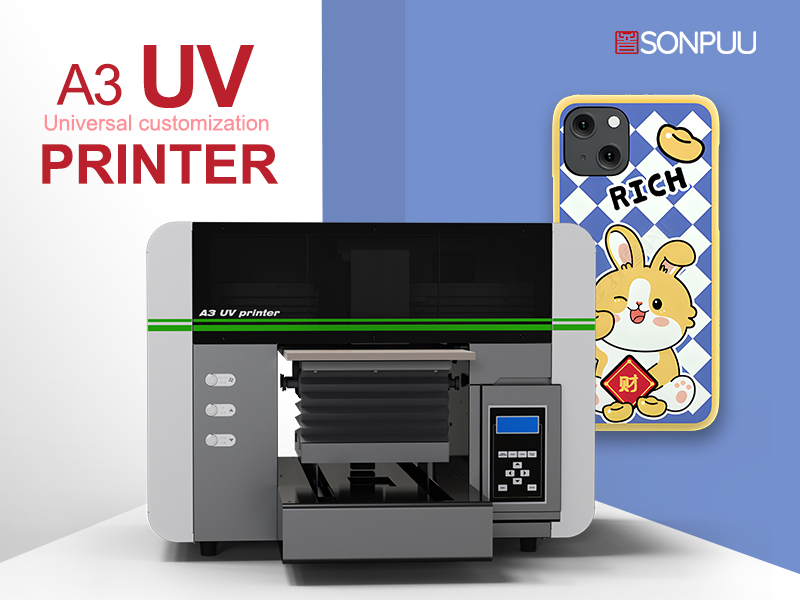
What Is a Phone Case Printer and How Does It Work?
Phone case printers are basically machines designed to put custom designs right on phone cases through some pretty cool printing tech. What makes them different from regular printers? Well, they have special parts inside that can deal with all sorts of tricky shapes and materials like bendy polycarbonate, soft TPU, even real leather without messing things up. When someone wants to print something, first they send their design file to the printer software. Then the machine grabs the case, positions it just right, gives it a quick clean if necessary, and starts printing using methods like UV LED lights, DTG printing for fabric cases, or sublimation for those colorful plastic ones. After printing, there's usually some kind of curing system built in too - either UV light or heat treatment - that makes sure the ink sticks permanently so people don't end up with faded designs after dropping their phones. All this automated stuff means stores can churn out personalized cases ready for sale within minutes, whether they're making just a few for individual customers or thousands for big orders.
Key Types of Phone Case Printers for Commercial Production
UV DTF Printers for Premium Customization
UV DTF or Direct-to-Film printing gives amazing color pop and crisp details when making custom phone cases for high-end markets. The process works by printing designs on special film first, then transferring them using heat to whatever surface they want. This lets artists create near photo quality images even on tricky materials like real leather or wooden surfaces that aren't smooth. These printers can hit resolutions around 1200 dpi which means those tiny lines and gradient shifts stay sharp instead of getting blurry. What really stands out though is how long lasting the finish turns out to be. Most customers find their cases still look great after three years of regular handling without much scratching or color loss. That durability makes these printers perfect for creating exclusive limited run products. Many small businesses have noticed something interesting too: when they offer premium customization options alongside basic ones, their profit margin jumps about 30% higher on those special order items.
Sublimation Press Systems for Bulk White-Case Output
For large scale manufacturing of white or light colored polymer coated cases, heat sublimation presses are the go to option. Industrial grade machines can crank out over 200 units each hour, making them ideal for bulk orders. The dye sublimation process works by heating the coating to around 400 degrees Fahrenheit (that's about 204 Celsius) which allows the dyes to bond permanently with the surface molecules, so there's no fading over time. What makes these systems really efficient is their ink transfer rate of about 90%, meaning way less wasted ink compared to other printing techniques like screen printing or direct to garment. There are some limitations though. The blanks need special coatings applied first, and trying to print on dark materials requires expensive pretreatment processes that many smaller shops just don't have access to. According to research from one major equipment maker, companies see their cost per item drop dramatically when producing batches larger than 500 units, with savings reaching as much as 45% in some cases.
Direct-to-Case (DTC) Inkjet Printers for On-Demand Flexibility
Direct to case inkjet printers put designs straight onto packaging surfaces thanks to those fancy piezo printhead technologies, which cuts out the need for transfer films altogether and gets products printed right away. These machines are really good for small batch runs too. They come equipped with CMYK plus white ink systems that can handle full color printing regardless of what color the case already is. Even when dealing with dark colored materials, these printers manage to create vibrant images because they lay down an underbase layer first. Most newer models now have automatic jig swapping capabilities, so switching from one type of case to another takes less than ninety seconds in many cases. Production speed ranges somewhere around forty to eighty cases every hour depending on setup, making them ideal for companies that need to keep up with fast changing design demands. Warehouse managers at several facilities have noticed warehouse expenses dropping by roughly sixty percent after implementing print as needed workflows instead of stockpiling preprinted materials.
Critical Buying Criteria for B2B Phone Case Printer Investment
Print Quality, Resolution, and Material Compatibility
When shopping for printers, look for models that can hit at least 1200 dpi resolution along with good color calibration if we want those prints to look truly realistic. Don't just stop at checking compatibility with standard TPU materials either. Make sure the printer works well with other stuff too like polycarbonate, wood veneers, and those newer biodegradable options coming onto the market. Bad print quality isn't just frustrating it actually hurts business reputations big time. According to some research from Ponemon Institute back in 2023, companies lose around $740k every year dealing with returns and losing customer confidence because of poor quality prints. For anyone serious about maintaining brand integrity, investing in systems that have automatic ICC profiling makes sense. These help keep colors looking consistent no matter what material gets printed on, which is pretty important when working with different substrates regularly.
Throughput, Automation, and Integration with ERP/MES
Match production speed to your order volume—and prioritize automation that scales with demand:
| System Type | Output (Cases/Hr) | Automation Level |
|---|---|---|
| Manual Press | 20–40 | Operator-dependent |
| Semi-Automated | 60–100 | Partial loading/unloading |
| Fully Automated | 150–300 | Robotic handling with cloud monitoring |
Seamless integration with ERP and MES platforms enables real-time job tracking and predictive maintenance, reducing misprints by 30% (Keypoint Intelligence, 2024).
ROI Factors: Ink Cost, Maintenance, and Scalability
When looking at costs, it's important to consider what happens after purchase too, not just what we pay initially. Studies show that UV curable inks actually save around 18 percent per unit compared to traditional solvent based options when looking at total spend across five years. Maintenance is another big factor worth thinking about. Printers equipped with self cleaning nozzles and parts that can be swapped out easily tend to reduce unexpected breakdowns by roughly 40%. For businesses planning ahead, going for equipment built with expansion in mind makes sense. Some manufacturers offer stackable units which means companies can grow their printing capacity three times over without having to scrap all their existing machinery.
Top Industry Applications and Market Opportunities
Phone case printing tech opens up all sorts of money-making possibilities in various business-to-business markets. Most commonly, we see companies producing large batches for brands running promotions at events, stores handling personalized orders straight from customers, and online shops providing those print-as-you-go services. Some pretty interesting opportunities are popping up elsewhere too. In healthcare settings, custom printed cases help identify different medical devices quickly. And over in industrial spaces, tough printed cases actually protect expensive equipment in places like auto repair shops and factories. Take a look at the promotional products market alone, which hit around $23 billion last year according to Advertising Specialty Institute data. That's a huge area for growth since more businesses want to hand out branded phone cases to build their company image and keep clients coming back. What really matters is having printing systems that can scale up or down depending on what the market needs, whether it's adjusting designs based on local tastes or dealing with seasonal spikes in demand.
FAQs about Phone Case Printers
What materials can phone case printers handle?
Phone case printers are designed to work with various materials like polycarbonate, TPU, leather, and even wood, allowing for diverse customization options.
What's the difference between UV DTF and direct-to-case printing?
UV DTF involves printing designs on a film before transferring them onto surfaces, while direct-to-case printing applies designs directly on the case.
Are there any cost benefits to using sublimation press systems?
Yes, sublimation press systems offer up to 45% savings on cost per unit for large batch productions due to high efficiency and minimal ink wastage.
How do phone case printers ensure durability of prints?
Durability is enhanced through UV light or heat treatment processes that cure the ink, ensuring it adheres firmly and lasts longer without fading.