 EN
EN

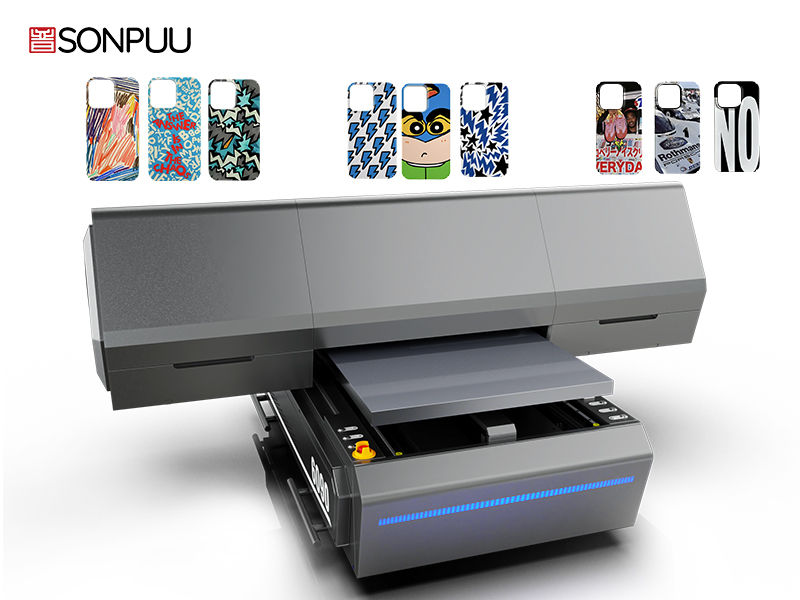
How Fast-Curing UV Ink Boosts Phone Case Printer Productivity
Instant Curing Mechanism: Photopolymerization for Sub-Second Solidification
When exposed to UV light, special inks harden almost instantly within about half a second to five seconds through a process called photopolymerization. Basically, the UV light wakes up these chemical initiators inside the ink which then causes all those polymer chains to link together super fast. What makes this so great for printing? Well, since the ink sets before it has time to spread out, we get much cleaner lines, sharper edges, and overall better quality prints compared to regular solvent based inks that take forever to dry. No waiting around for things to dry means the whole printing process keeps going non stop, and once printed, products are ready to handle right away. For companies making multi layer phone cases, this technology knocks out those annoying drying steps that used to slow everything down. Some manufacturers report cutting their production time by as much as ninety percent thanks to this advancement.
Real-World Impact: 78% Faster Turnaround in High-Volume Custom Phone Case Production
Studies show that UV printing can slash job completion times by around 78% compared to traditional methods. Why? Mainly because it prints directly onto objects without needing those pesky transfer films, plus all the ink layers cure at once instead of one after another. Take one busy production plant for instance they managed to knock down their custom batch processing time from a full 8 hours down to barely over an hour and a half. That freed up enough space in their schedule to produce roughly 300 extra units each workday. And workers aren't stuck running back and forth as much either since there are fewer passes needed through the equipment, which means about 30% fewer staff members required for complicated orders. Throw in the fact that UV works well on almost any material and produces colors that pop right off the screen, and it's no wonder this tech is becoming the go to solution for phone case manufacturers who need both speed and quality when scaling up production runs.
UV Direct-to-Object Printing on Phone Cases: Precision for Rigid, Nonporous Surfaces
Optimized Adhesion on Plastic, Acrylic, and Coated Metal Case Substrates
Direct UV printing sticks well to hard, non-absorbent materials like polycarbonate, acrylics, and metal surfaces coated with powder finishes, all without needing special transfer films. The magic happens when light triggers chemical reactions in the ink that actually bond at a molecular level with whatever surface it's applied to. This creates something like a mechanical lock that keeps prints from cracking when devices are inserted or handled regularly throughout the day. Most production facilities consistently hit ASTM D3359 adhesion scores over 4B (less than 5% ink peels off after tape tests) by controlling several key factors. They match ink viscosity to how much the material expands when heated, calibrate each tiny ink drop down to nanometer precision, and maintain temperatures within just plus or minus 2 degrees Celsius while everything cures properly.
Surface Energy Enhancement via Plasma Pre-Treatment for Reliable Phone Case Printer Output
Many budget-friendly phone cases are made from low surface energy plastics that just won't hold ink properly unless something changes. The solution? Atmospheric plasma treatment raises surface tension levels between 40 and 70 dynes per square centimeter. This creates tiny anchor points on the plastic surface which makes UV ink stick about three times better compared to regular untreated materials, all while keeping the material itself intact. Inline plasma systems work great for treating different materials together in the same batch. Take acrylic for instance, it reaches around 42 dynes after treatment whereas silicone blends hit about 24 dynes. These treatments result in roughly 99% success rate when printing complex designs. Best part is each individual case gets fully activated within less than two seconds, allowing production lines to handle over 120 units every hour without slowing down because of curing issues.
Full-Color, 3D-Conformal Designs: Eliminating Transfer Films with UV Phone Case Printer Capabilities
UV phone case printers can create vibrant, three-dimensional graphics right on complicated shapes like curved edges, textured surfaces, and those pesky camera bumps without needing any transfer films. The special photopolymer ink gets deposited exactly where it needs to go and then hardens almost immediately when exposed to ultraviolet light. This means we skip all the headaches of aligning things properly, dealing with heat presses, or worrying about laminating layers. There's basically no waste from leftover film materials anymore (industry reports from 2024 suggest material usage drops around 40%) and the cases don't warp during processing either, staying true to their original shape with tolerances as tight as plus or minus 0.1 millimeter. The CMYKW ink system gives us a much wider range of colors than traditional transfer methods do, actually expanding our color palette by about 34%. This lets us print photos with real depth and those smooth transitions between colors at resolutions that go well past 1200 dots per inch. Even better, these graphics wrap neatly around buttons and port openings without any lifting or peeling issues, which is exactly what customers expect when they pay for something premium quality. Once everything sets under UV light in just seconds flat, even intricate designs jump from computer files straight to finished products through one single automated process. This cuts down custom production times significantly compared to old school film-based approaches, speeding things up by roughly 78% according to recent benchmarks.
Durability and Aesthetic Performance of UV-Printed Phone Cases
ASTM D3359 Adhesion Standards (>4B) Meeting Consumer Expectations for Premium Phone Case Printers
Phone cases printed with UV technology regularly surpass the ASTM D3359 4B adhesion benchmark, meaning they lose less than 5% of their ink during tape tests. That kind of grip stands up pretty well against daily wear and tear like scraping against keys, bouncing off coins, or rubbing in pockets. Tests show these UV cured inks stick about three times better to both plastic and metal surfaces compared to regular printing methods, so those pesky edges don't tend to peel off anymore. Premium case makers see real benefits too. The Consumer Tech Durability Report for 2023 claims there are around 92% fewer returns because of failed coatings when using this method, though some might argue actual numbers could vary depending on how cases are handled day to day.
Dual-Layer UV Varnish Strategies for Scratch Resistance and High-Gloss Finish
Using a dual cure varnish approach gives better protection plus looks that stand out. The matte base coat hits around 8H hardness according to ASTM standards, which means it can handle twice as much scratching compared to regular single coat finishes. Then comes the glossy top layer that makes colors pop more vividly and keeps fingerprints from showing so easily. When combined, these two layers create something pretty special - a surface that actually heals minor scratches on its own. Tests show this finish maintains its shine even after being rubbed or scraped over 5,000 times. What's great is that all this performance comes built right into the finish itself, so there's absolutely no need for any extra film or coating applications later on.
FAQ
What is photopolymerization in UV printing?
Photopolymerization is a process where UV light triggers chemical initiators in the ink to rapidly cause polymer chains to bond and solidify, allowing the ink to cure almost instantly on the printed surface.
How does UV ink improve phone case production speed?
UV ink improves production speed by curing instantly when exposed to UV light, eliminating waiting times associated with drying. This allows continuous printing processes and quick handling of finished products.
What materials benefit most from UV direct-to-object printing?
Materials such as polycarbonate, acrylics, and coated metal surfaces benefit from UV direct-to-object printing, as UV inks adhere well without needing transfer films.
Can UV printing handle complex designs and 3D shapes?
Yes, UV phone case printers can create vibrant, full-color, and 3D-conformal designs directly on complex and textured surfaces, eliminating the need for transfer films.
Are UV-printed phone cases durable?
UV-printed phone cases are highly durable, often surpassing standard adhesion benchmarks. This ensures they withstand daily wear and tear, minimizing ink peeling and extending product longevity.
Table of Contents
- How Fast-Curing UV Ink Boosts Phone Case Printer Productivity
- UV Direct-to-Object Printing on Phone Cases: Precision for Rigid, Nonporous Surfaces
- Full-Color, 3D-Conformal Designs: Eliminating Transfer Films with UV Phone Case Printer Capabilities
- Durability and Aesthetic Performance of UV-Printed Phone Cases
- FAQ